
Solutions & Specialties

01.​

Agroforestry​

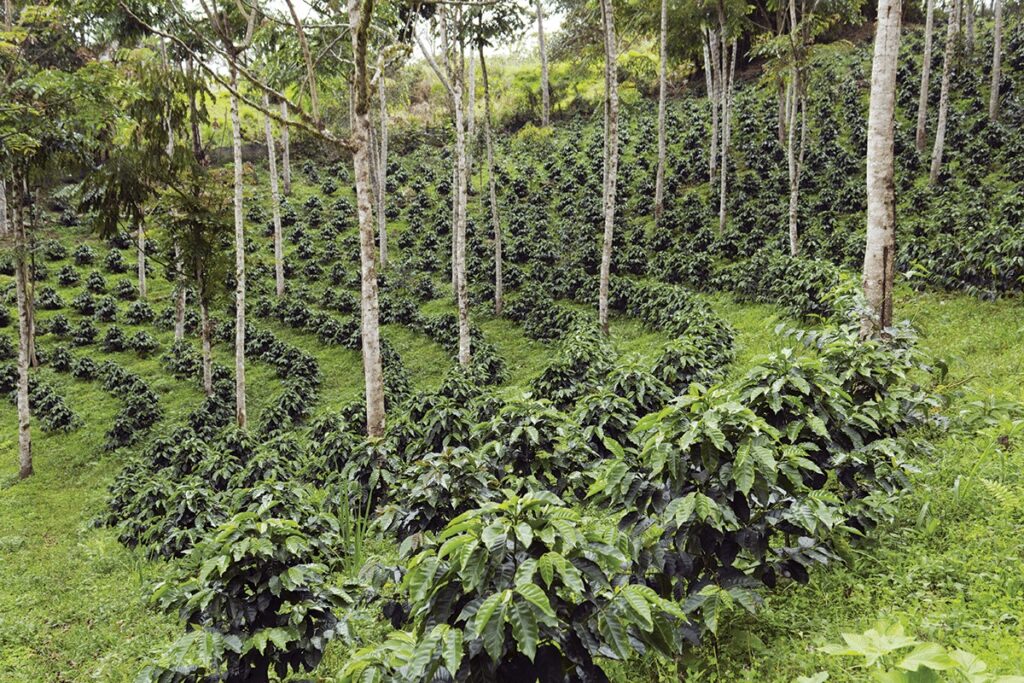
Land degradation is severe in Kenya due to deforestation and land use cover change (LUCC) which replaces high value biomes with low-value biomes. Due to deforestation and charcoal making, Kenya lost 12,400 ha of forest from 1990-2015. Deforestation is especially severe in the Rift Valley (Baker and Miller 2013). The closed canopy forest – which covered approximately 12% of the land area – has been reduced to only 1.7% of its original size (GOK 2010).
Excluding charcoal and other subsistence uses, Kenya’s forests account for 3.6% to Kenya’s GDP and support agriculture, livestock, energy, trade, and other industries – which cumulatively contribute about 9% of the GDP. Forests comprise the country’s water towers and catchments where over three quarters of the renewable surface water originates (GoK 2014).

Conversion of grasslands and shrub lands to cropland has also occurred in many regions – leading to 16% of cropland expansion from 1990-2015. On static biomes – i.e., biomes which did not experience LUCC, use of land degrading management practices has led to reduced productivity of cropland and grazing lands.
Left unchecked, this fierce war between the ecosystem and economy with hurt the earth and her inhabitants.

02.

Revegetation

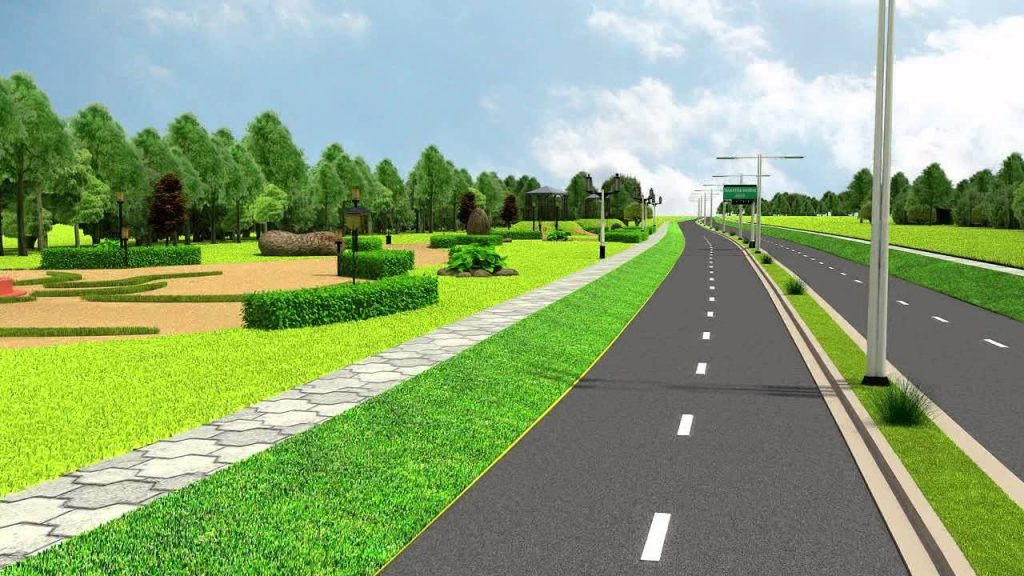
We work with Partners in the Civil, Mines, Construction and Real estates sectors in the important contracts of planting of new trees and, particularly, of native plants in disturbed sites where the vegetation cover has been destroyed, to stabilize the land surface from wind and water erosion and to reclaim the land for other uses. Revegetation practices are employed in mined lands, roadsides, parks, wetlands, utility corridors, riparian areas.

03.

Ecosystem Restoration

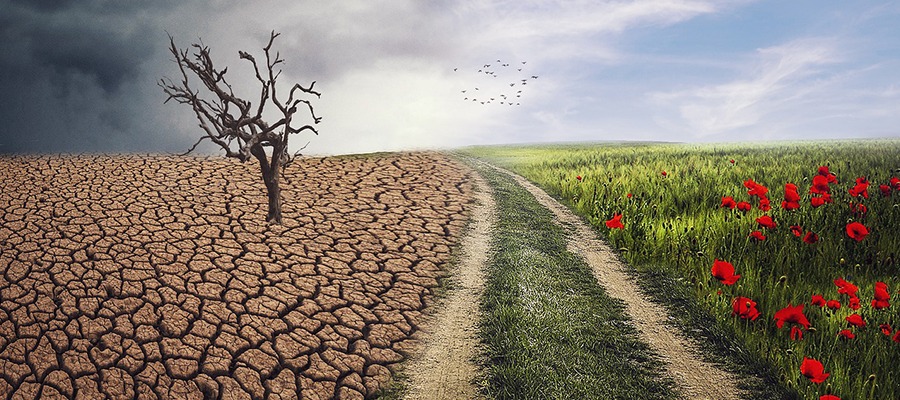
Hung Pump Kenya exists to identify and recover degraded and damaged ecosystems using nature based approaches to combat biodiversity loss and climate change as well as conserving ecosystems that are still intact but threatened. From Cities, Farmlands, Rangelands, Wetlands and Oceans.

According to the UN Decade on Restoration, restoring ecosystems large and small protects and improves the livelihoods of people who depend on them. It also helps to regulate disease and reduce the risk of natural disasters. In fact, restoration can help us achieve all of the Sustainable Development Goals..

04.

Landscape Restoration

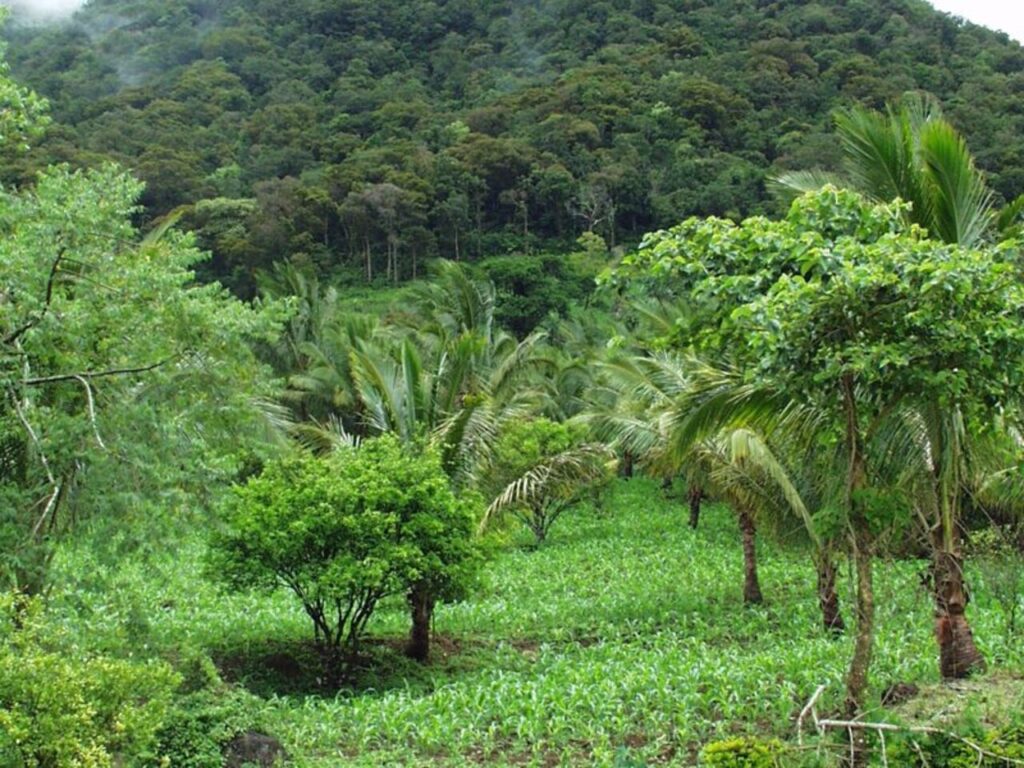
Glaring evidence suggests that planting trees alone is not moving the global needle on poverty nor adequately addressing the pressures driving landscape degradation and conversion worldwide. Landscape restoration goes beyond planting trees to encompass a series of large-scale restoration interventions aimed at providing environmental and socioeconomic benefits to fulfill current and future needs. It is a larger, longer, and comprehensively planned method of restoration and conservation.

Using standards-based approaches to conservation and restoration that generates environmental, biodiversity, and socioeconomic benefits for the well-being of the planet and communities HPK designs projects to ensure the drivers of historical deforestation and degradation are addressed through comprehensive programming. Through this approach, HPK supports long-term sustainability across landscapes, laying the groundwork for healthy relationships between people and the land on which we all depend.

05.

Future Cities

As African experience acceleration of development and villages get urbanised, green spaces are turning into dust bowls. Native trees have vanished from sidewalks, bird calls grow fewer, and pollinators are struggling to survive. The concrete keeps spreading – but biodiversity has all but disappeared. At HPK, we believe that cities can become sanctuaries. Our Urban Biodiversity programs in collaboration with corporates are a new initiative to reimagine urban spaces as living, breathing ecosystems – designed for birds, bees, soil, water, and the humans who live around them.

Consultancies

Agroforestry Value Chains and Enterprise Development

From cultivation by both smallholder and large-scale farmers, primary and secondary processing, distribution, to final various end markets, we help identify and develop profitable enterprises along the Agroforestry value chains of our intervention programs. This ascertains sustainability when the community is involved in interventions with clear personal economical gain through result-based rewards in form of purchase of raw materials, value addition to produce and market access to final products.

The social enterprise approach to our intervention programs is not accidental but is a deliberate and well researched policy that will see the perpetuity of the project beyond the life of the initial funding partners.

Corporate CDR Strategy

In today’s business landscape, addressing climate change is not just a matter of corporate responsibility; it is a strategic imperative. As governments, investors, consumers, and industry peers increasingly demand sustainable operations, companies must make climate action a core part of their strategy.

The science is clear: decarbonizing the economy is essential to limiting global warming. However, decarbonization alone cannot get us to net zero and must be complemented by carbon dioxide removal (CDR) to address hard to abate emissions. As companies around the world strive to meet sustainability goals, developing a CDR strategy is critical. Delaying action poses significant risks for companies, while investing in CDR now has a positive business case and is critical to preventing irreversible climate impacts.

For example, the Kenyan Finance Act 2022 introduced a reduced corporate tax rate of 15% for companies engaged in the carbon market exchange, as certified by the Nairobi International Financial Centre Authority.

Give Us A Call At​

+254-720-794967​

Or Get a Free Estimate
Scroll to Top